Do You Need a Product Photographer for Your Ecommerce Store? AI vs Traditional Photography Explained
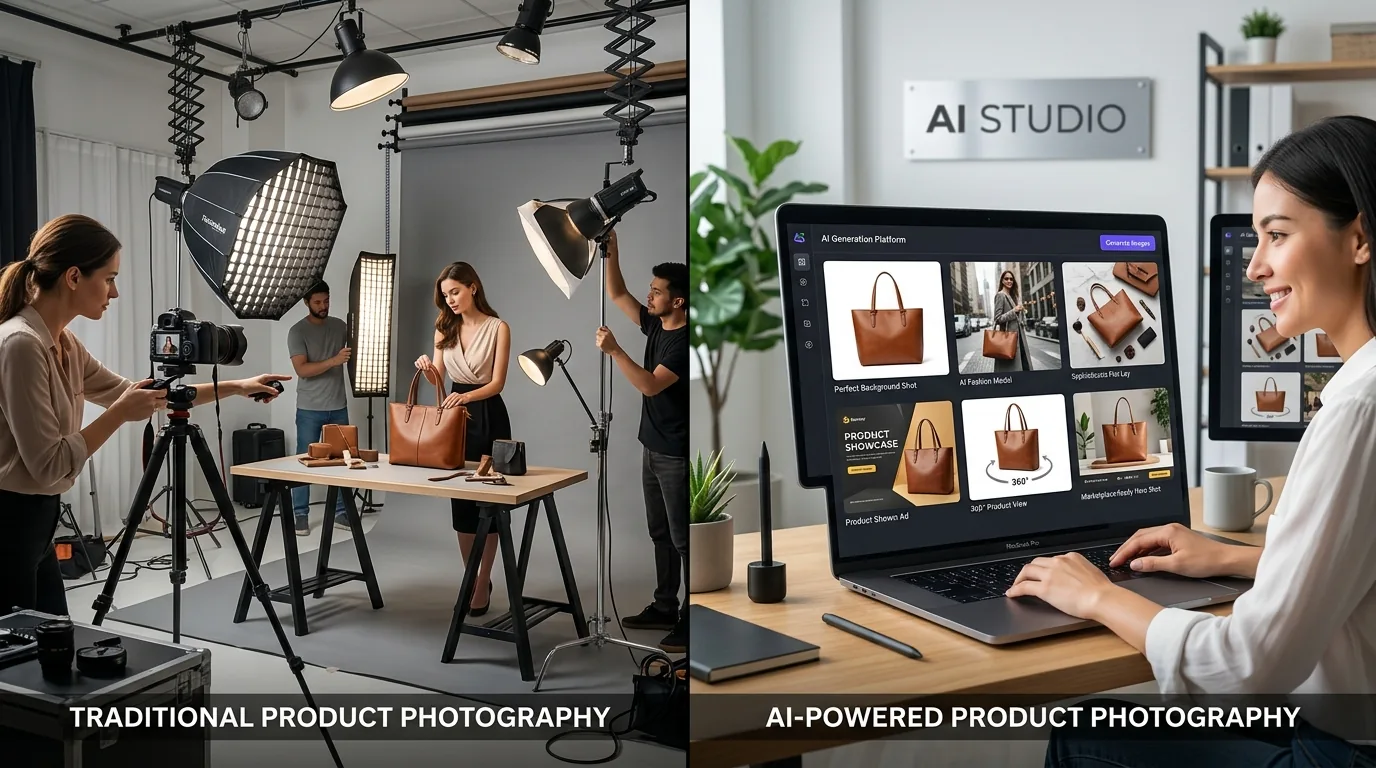
Not long ago, launching an e-commerce business almost always started with hiring a professional product photographer. Whether you sold clothing, cosmetics, electronics, jewelry, or home décor, high-quality product images were considered essential. Businesses booked studios, hired photographers, arranged lighting, and spent days producing images that would eventually appear on marketplaces, websites, and marketing campaigns.
Today, e-commerce works very differently. Modern brands don't need ten product photos. They often need hundreds. Every product requires multiple marketplace images, lifestyle photos, advertising creatives, social media visuals, seasonal campaigns, promotional banners, and sometimes even videos. A single collection may require thousands of visual assets before it reaches customers.
This dramatic increase in content demand has changed the way brands think about photography.
Instead of asking "How do we create better product photos?", businesses are now asking "How do we create more product photos without multiplying our production costs?" This is where AI Product Photography has transformed the industry.
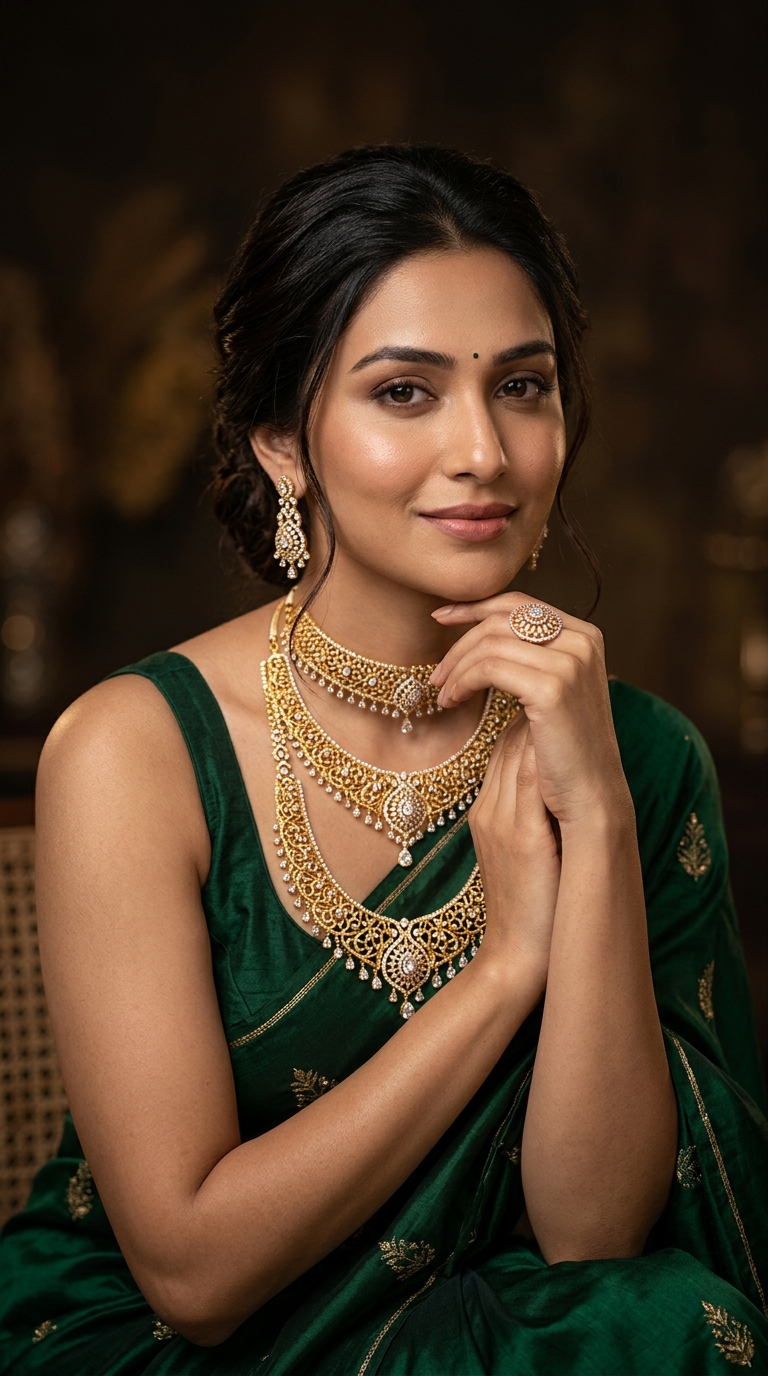
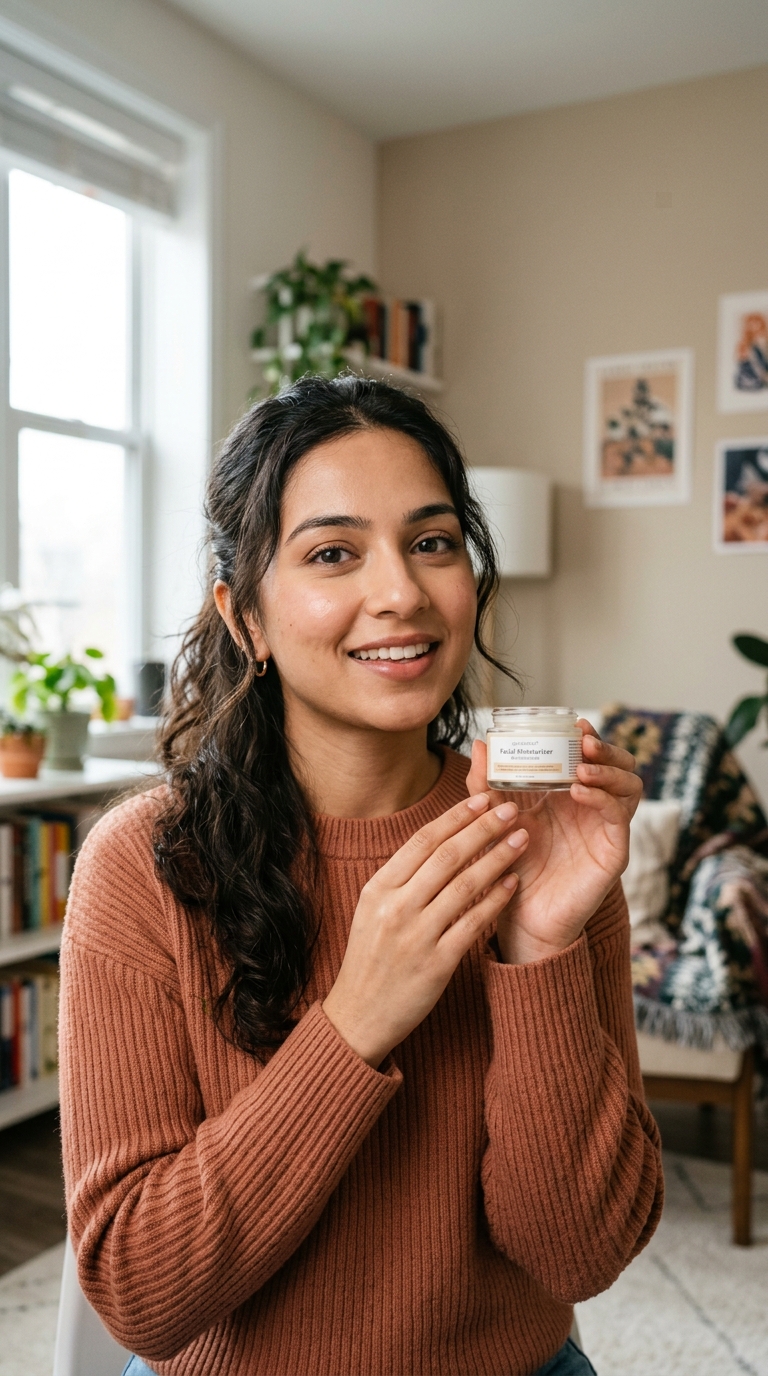
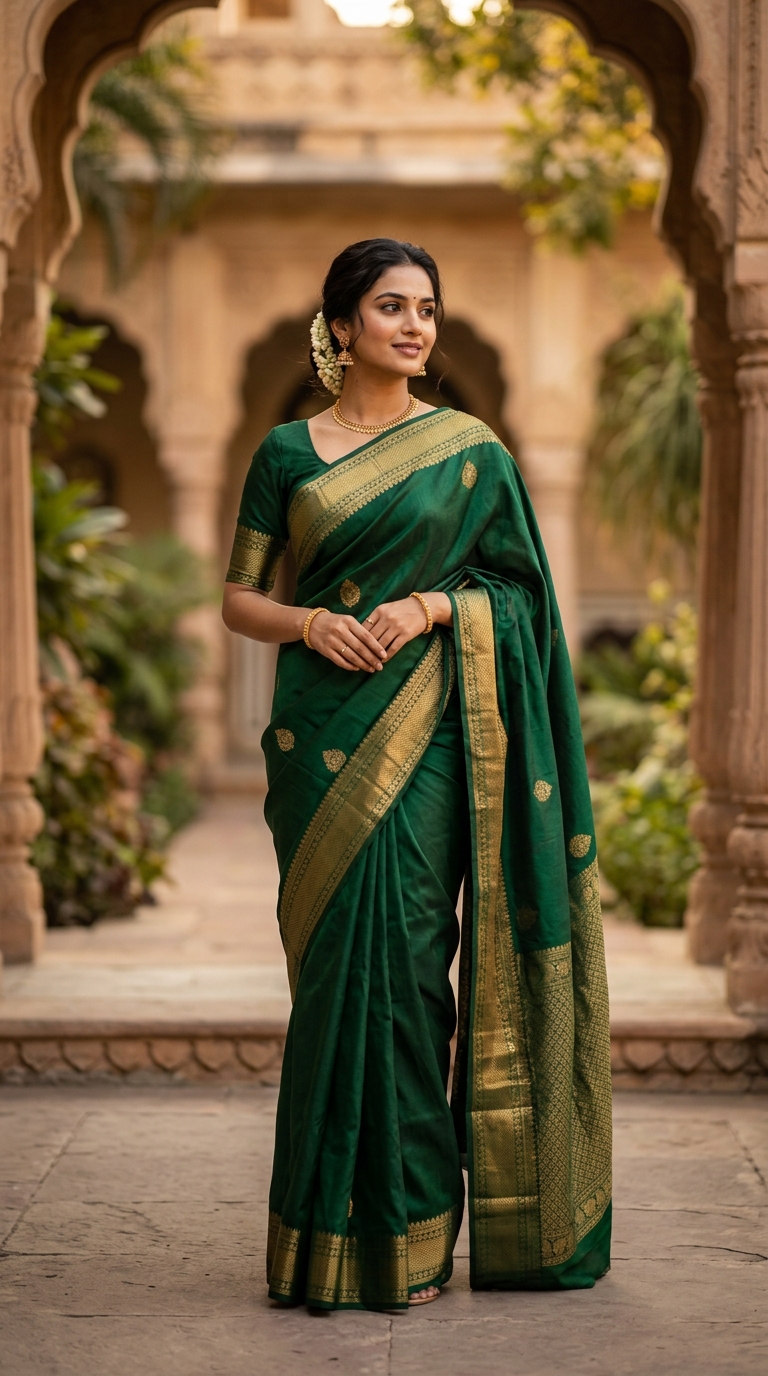
AI can now generate professional catalog images, realistic lifestyle scenes, AI fashion model photos, white-background marketplace images, banners, and even 360-degree product views within minutes. For many e-commerce businesses, this means hiring a photographer for every new collection is no longer necessary. That doesn't mean photographers have become obsolete.
Instead, their role is changing. The smartest ecommerce brands are no longer choosing between AI and traditional photography. They're learning when each approach delivers the greatest value.
Why E-commerce Photography Has Changed
Customer expectations have evolved rapidly over the past few years.
Today's shoppers expect far more than a simple front-facing product image. They want to understand how a product looks in real life, how it fits into everyday situations, and how it appears from different angles before making a purchase.
At the same time, brands must create visual content for numerous channels, including:
- Amazon product listings
- Shopify product pages
- Flipkart and Etsy marketplaces
- Instagram and Facebook campaigns
- Google Shopping ads
- Product catalogs
- Email marketing
- Promotional banners
- Blog articles
- Landing pages
Each platform has different image requirements, dimensions, and creative expectations. As a result, businesses now produce significantly more visual content than they did just a few years ago. Traditional photography workflows struggle to keep pace with this demand.
The Real Cost of Hiring a Product Photographer
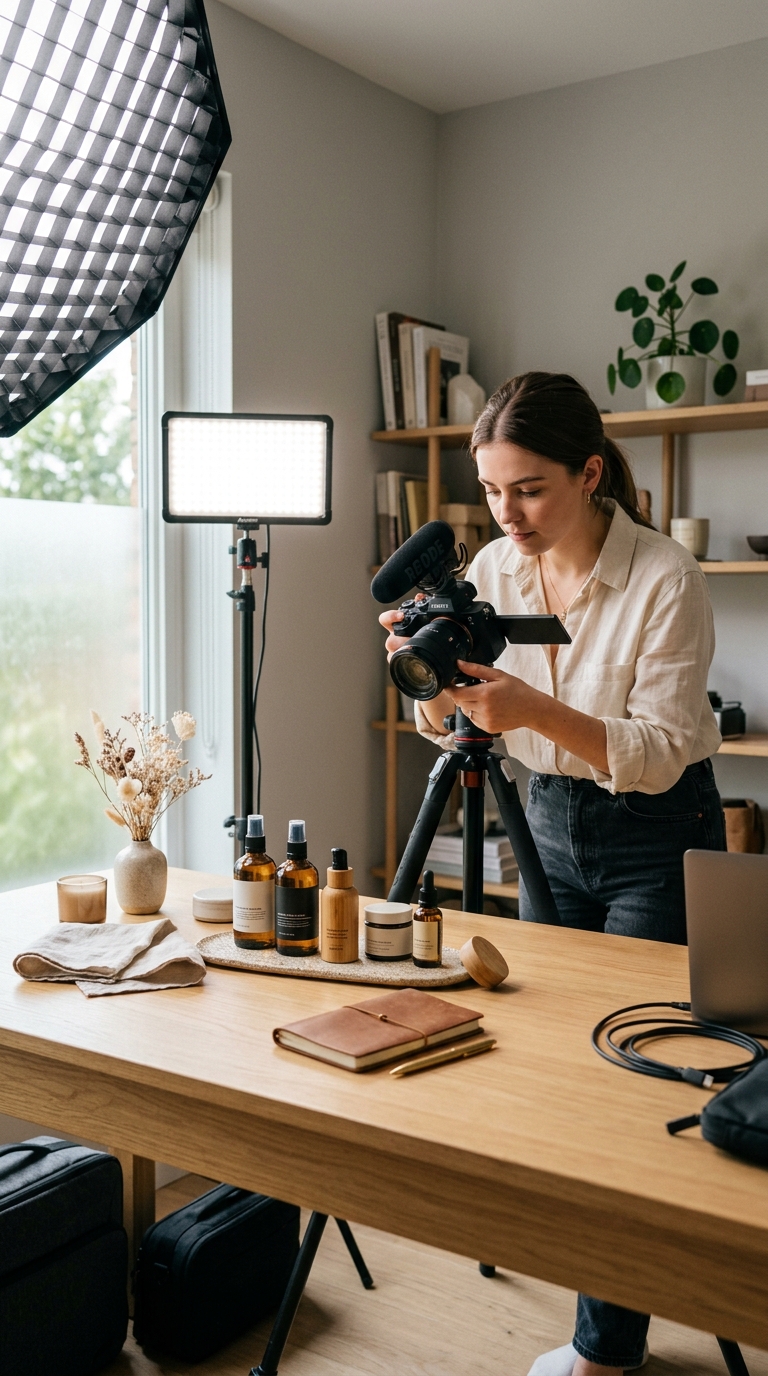
When people think about hiring a photographer, they usually consider only the photographer's fee. However, professional product photography involves several additional costs. A typical photoshoot may include:
- Photographer fees
- Studio rental
- Lighting equipment
- Camera equipment
- Product preparation
- Models
- Makeup artists
- Stylists
- Props
- Image retouching
- File processing
- Project management
If the business later needs:
- A different background
- A new model
- Additional colors
- Seasonal themes
- Holiday campaigns
- New advertising creatives
the entire process often needs to be repeated.
For brands with growing product catalogs, these repeated production costs become increasingly difficult to justify.
Why AI Product Photography Is Becoming the Preferred Choice
The biggest advantage of AI isn't simply lower cost. It's flexibility. Instead of organizing another photoshoot every time a campaign changes, businesses can create new product visuals almost instantly. For example, the same handbag can be transformed into:
- A luxury studio photograph
- A lifestyle café scene
- A beach vacation campaign
- A festive holiday promotion
- A minimalist ecommerce image
- A premium fashion advertisement
- all without photographing the product again.
This flexibility allows businesses to respond much faster to market trends, seasonal campaigns, and promotional opportunities. Instead of waiting days or weeks for new photography, teams can produce fresh content whenever they need it.
When You No Longer Need a Product Photographer
While professional photography still has its place, many everyday e-commerce tasks can now be handled efficiently using AI.
White Background Product Images
Marketplace platforms such as Amazon, Flipkart, Walmart, and Etsy require consistent product images with clean backgrounds. AI Product Photography can generate these images quickly while maintaining professional quality.
Lifestyle Product Photography
Lifestyle photography traditionally required hiring models, renting locations, and coordinating production schedules. Today, AI can place products into realistic environments that match your target audience without organizing expensive location shoots.
AI Fashion Models
Fashion brands often spend significant budgets on hiring models for every new collection. AI Fashion Models allow brands to showcase apparel on realistic virtual models while generating multiple poses, backgrounds, and styling options from the same product.
Product Variations
Imagine launching the same shoe in ten different colors. Traditional photography would often require photographing every variation separately. AI allows businesses to generate color variations, background changes, pose adjustments, and campaign themes from existing product assets.
High-Volume Marketplace Listings
Businesses selling hundreds or thousands of products require efficient production workflows. AI makes it possible to create consistent marketplace images at scale without overwhelming photography teams.
Interactive Product Experiences
Modern e-commerce increasingly includes:
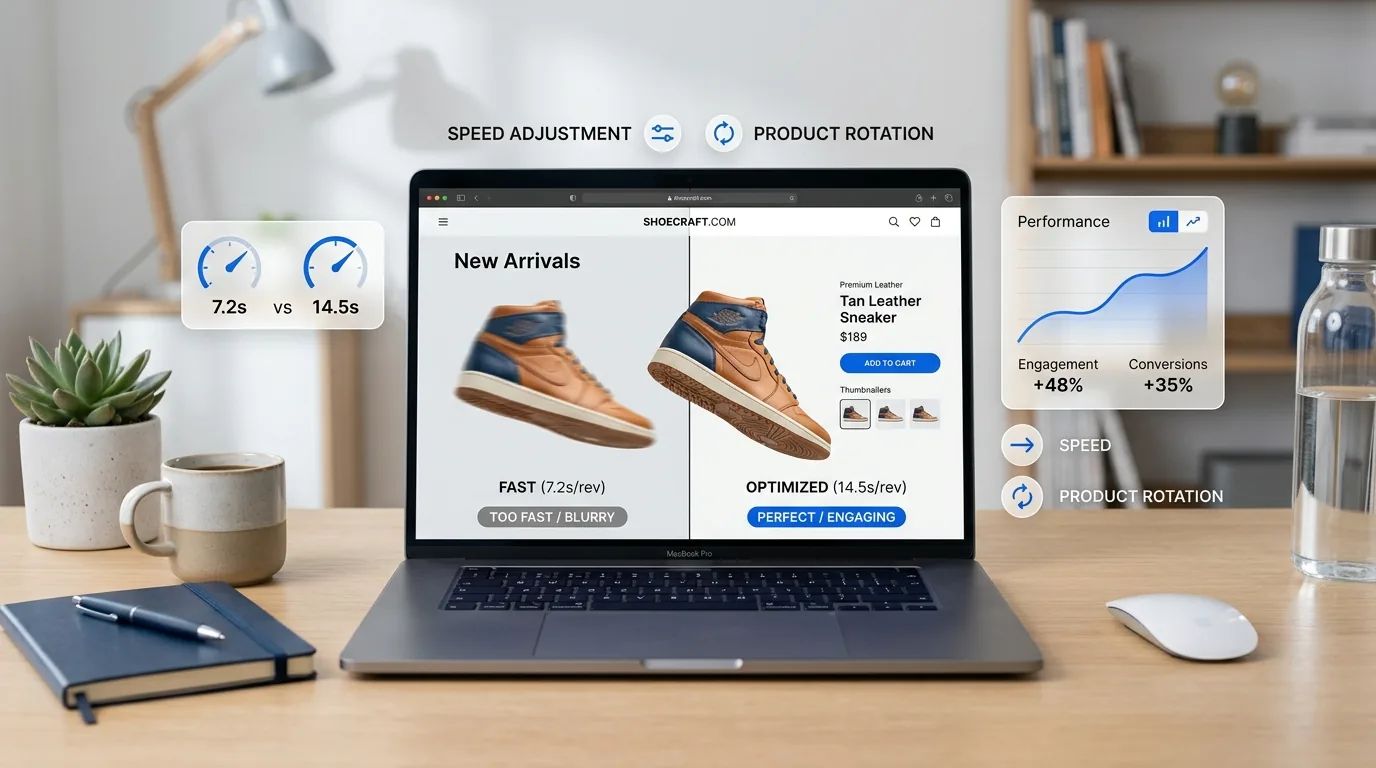
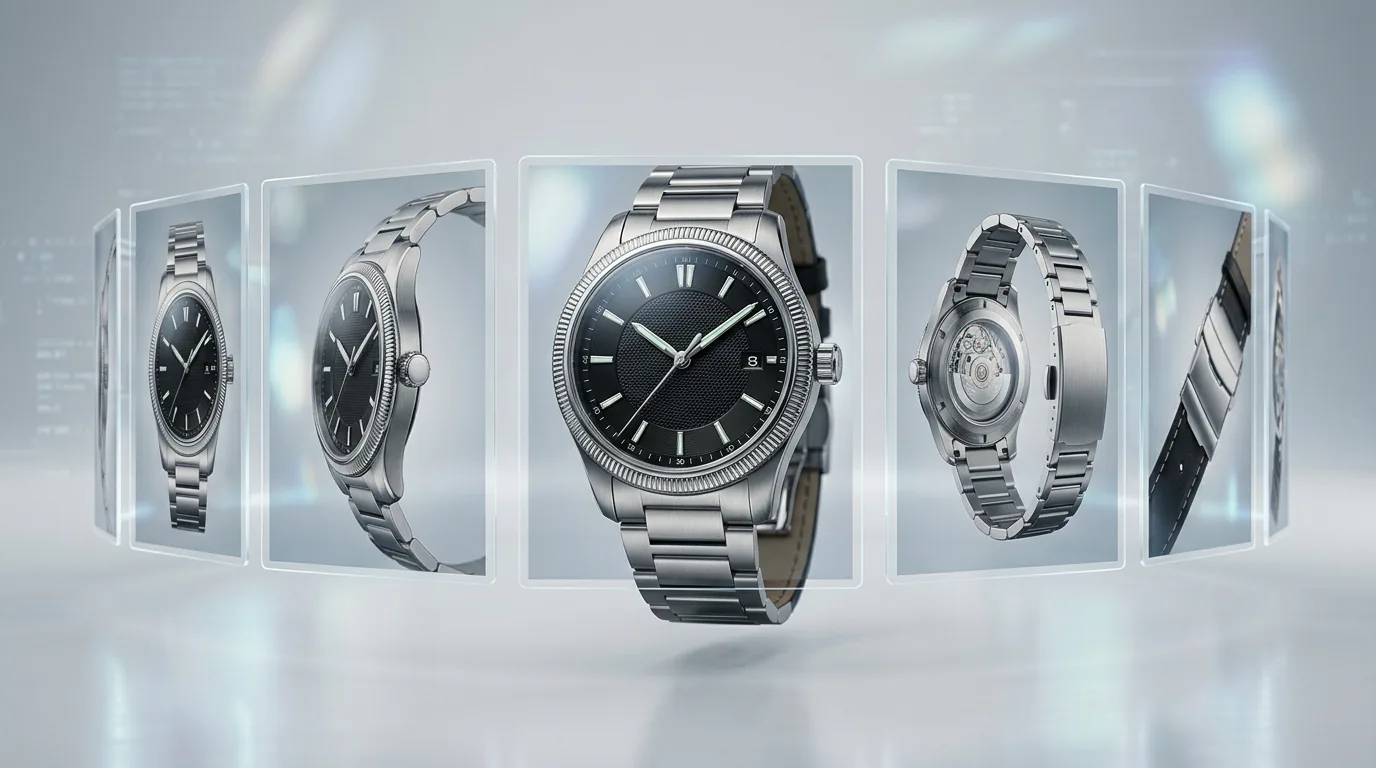
- 360° product views
- Product rotation videos
- Animated GIFs
- Interactive product displays
Many of these experiences can now be created using AI rather than specialized photography equipment.
When You Should Still Hire a Product Photographer
AI is powerful, but it isn't the perfect solution for every project. Professional photographers continue to provide exceptional value in situations where creativity, storytelling, and artistic direction play a central role.
Hero Campaigns
Major product launches often define how customers perceive a brand. These campaigns deserve unique creative direction, carefully planned lighting, custom compositions, and storytelling that goes beyond simple product presentation. Professional photographers excel in creating these flagship visuals.
Editorial Photography
Luxury fashion brands, magazines, and premium lifestyle campaigns often require artistic direction that combines creativity with technical expertise. These editorial projects remain one of the strongest areas for traditional photography.
Highly Specialized Products
Some products present unique photography challenges. Examples include:
- Jewelry
- Luxury watches
- Transparent glass
- Reflective metals
- Premium automobiles
- Designer furniture
Experienced photographers understand how to manage lighting, reflections, and composition for these complex products.
Brand Storytelling
Photography is about more than documenting products. It's also about communicating emotions, values, and brand identity. When the goal is building long-term brand perception rather than producing catalog assets, professional photographers continue to play a vital role.
Real-World Use Cases
Fashion Brands
Many fashion companies now use AI Fashion Models for everyday ecommerce listings while hiring photographers only for seasonal collections and flagship campaigns. This approach significantly reduces production costs while maintaining premium branding for major launches.
D2C Consumer Brands
Direct-to-consumer brands frequently launch limited-edition collections, festival campaigns, and promotional offers. Instead of scheduling repeated photoshoots throughout the year, AI enables them to generate fresh campaign visuals within hours.
Marketplace Sellers
Amazon and Shopify sellers often need dozens of images for every product, including white - background photos, infographics, lifestyle images, comparison graphics, and promotional creatives. AI simplifies this workflow by generating marketplace-ready content much faster than traditional photography.
Marketing Agencies
Creative agencies managing multiple e-commerce clients benefit from AI by producing visual content at scale while reserving traditional photographers for premium advertising campaigns.
Traditional Photoshoot vs LovPics
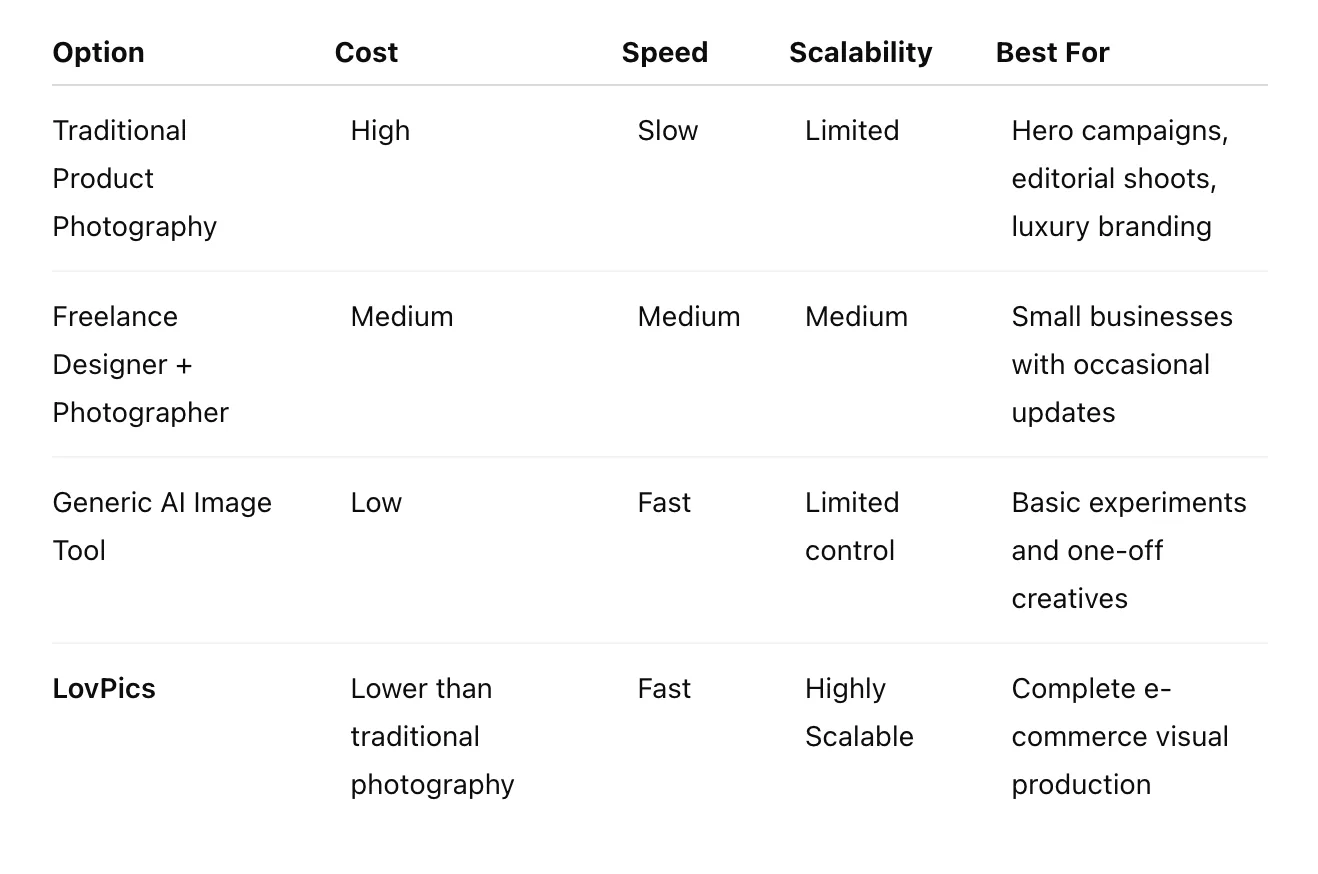
One of the biggest misconceptions surrounding AI Product Photography is that businesses must choose between AI and professional photographers. In reality, the most successful ecommerce brands combine both approaches.
Instead of replacing photographers completely, they reserve traditional photography for projects where creativity and brand storytelling matter most. Everything else—including catalog images, product variants, marketplace assets, seasonal campaigns, and advertising creatives—is produced using AI.
This hybrid workflow offers several important advantages. First, it dramatically reduces production costs because brands avoid organizing repeated photoshoots for routine content updates. Second, marketing teams become far more agile. They can launch campaigns quickly, create new creatives whenever trends change, and update product visuals without waiting for studio availability.
Finally, businesses can invest their photography budget where it creates the greatest impact rather than spending it on repetitive production work.
How LovPics Helps E-commerce Businesses
LovPics is designed to solve one of the biggest challenges faced by modern ecommerce businesses—creating high-quality visual content at scale. Instead of relying on multiple software tools, photographers, designers, and agencies, brands can generate a wide variety of e-commerce assets from a single product image.
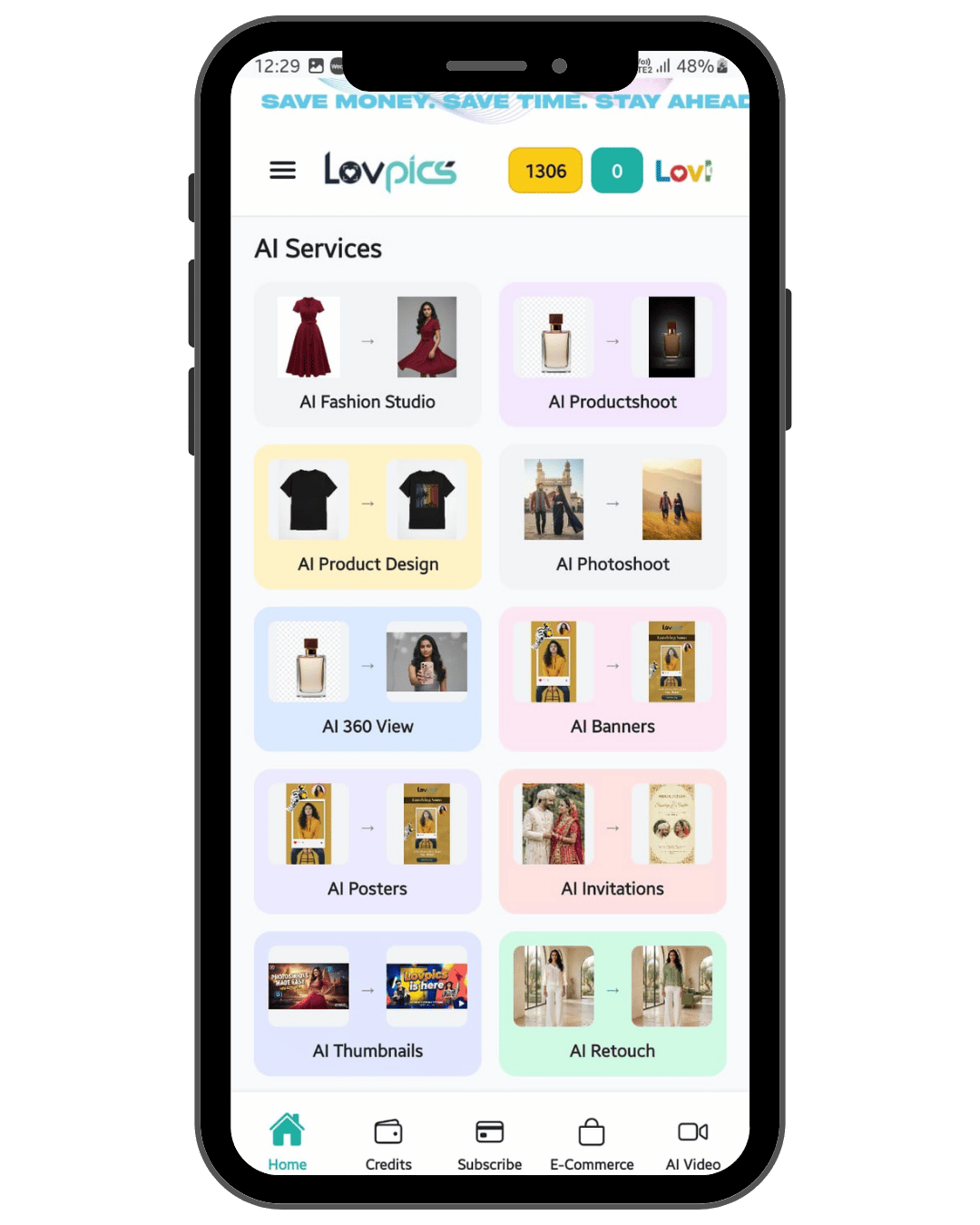
Using LovPics, businesses can create:
- AI Product Photography
- White-background marketplace images
- Lifestyle product photography
- AI Fashion Models
- AI Product Shoot campaigns
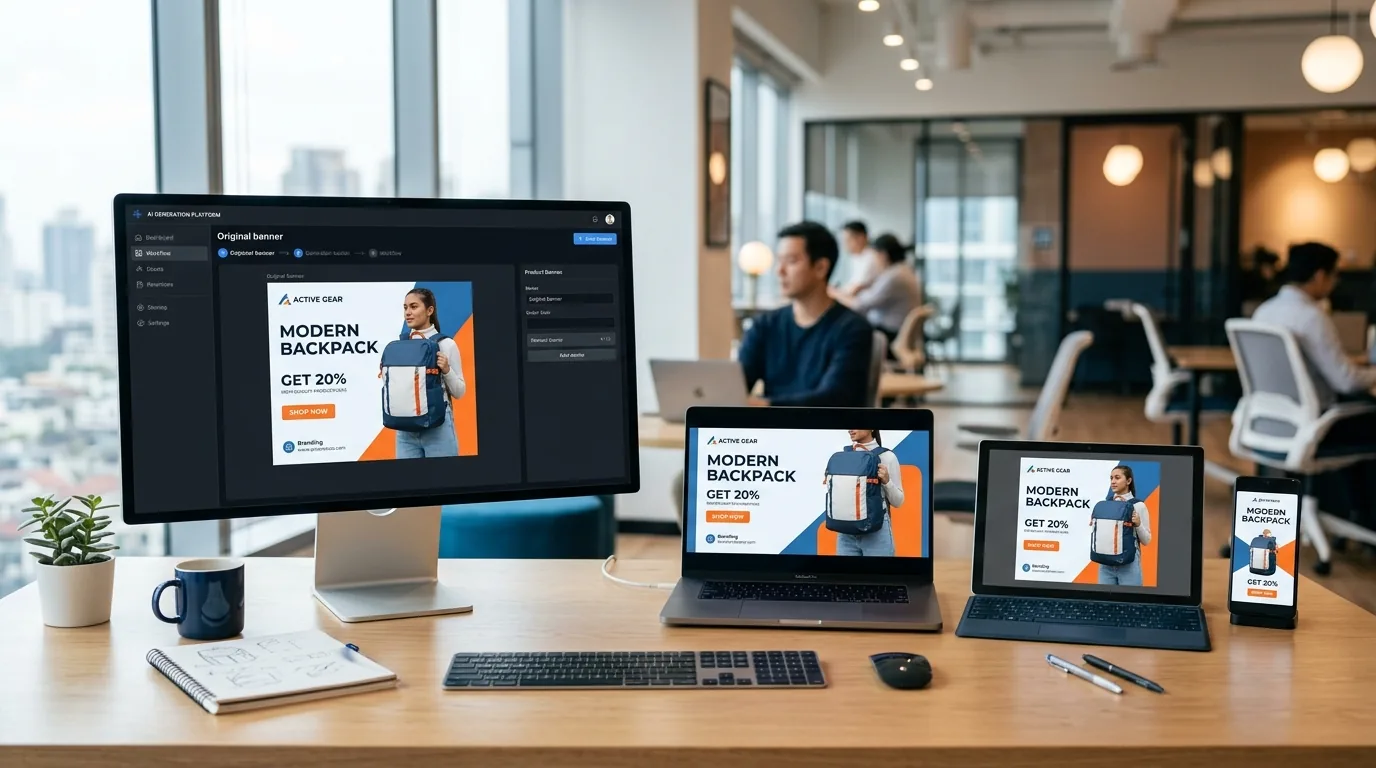
- Product banners
- Product thumbnails
- Promotional posters
- AI invitations
- Product retouching
- Background replacement
- AI 360° product views
- Multi-frame product rotations
- Marketplace-ready exports
- Multi-language product creatives
Whether you're launching a new product, updating a seasonal campaign, or managing thousands of SKUs, LovPics helps reduce production time while maintaining consistent visual quality across every channel.
Common Mistakes E-commerce Brands Make
Using Traditional Photography for Every Product
Many businesses continue scheduling expensive photoshoots for every catalog update. While this approach may have worked in the past, it becomes increasingly difficult to sustain as product catalogs grow. Routine e-commerce content is often better suited to AI-powered workflows.
Expecting AI to Replace Every Creative Project
Although AI has transformed e-commerce content production, it isn't intended to replace every aspect of commercial photography. Premium branding campaigns, editorial storytelling, and high-end advertising still benefit from professional photographers and creative directors.
The objective is to choose the right tool for each project.
Ignoring Content Scalability
Many brands underestimate how much content modern e-commerce requires. A single product may need:
- Marketplace images
- Website photos
- Lifestyle visuals
- Social media creatives
- Display advertisements
- Product banners
- Promotional campaigns
- Email marketing assets
Businesses that fail to plan for scalable content production often struggle as they grow.
Delaying Campaign Updates
Seasonal promotions, festive offers, and product launches move quickly. Brands that depend entirely on traditional photography often lose valuable time waiting for photoshoots, editing, and approvals. AI allows marketing teams to react much faster to changing business needs.
Measuring Success Only by Cost
Choosing between AI and traditional photography shouldn't be based solely on budget.
Businesses should also evaluate:
- Production speed
- Content volume
- Brand consistency
- Flexibility
- Time-to-market
- Return on investment
The most efficient workflow usually delivers the best long-term business results.
Key Takeaways
- Product photographers remain valuable for premium branding and hero campaigns.
- AI Product Photography now handles most day-to-day e-commerce image production.
- Modern e-commerce requires significantly more visual content than traditional photography alone can efficiently deliver.
- AI enables brands to create marketplace images, lifestyle photography, AI fashion models, banners, and product variants much faster.
- A hybrid workflow combining AI and professional photography offers the best balance between quality, speed, and cost.
- LovPics helps ecommerce businesses scale content creation without sacrificing consistency or creative flexibility.
- As online shopping continues to evolve, brands that produce content faster will be better positioned to compete.
Frequently Asked Questions
Do I still need a product photographer for my e-commerce store?
Not necessarily. Most e-commerce businesses can now use AI Product Photography for catalog images, lifestyle photos, marketplace assets, and product variations. Professional photographers remain valuable for flagship campaigns, editorial projects, and premium brand storytelling.
Can AI completely replace a professional product photographer?
AI can replace many repetitive e-commerce photography tasks, especially those involving large product catalogs and routine visual updates. However, creative campaigns requiring artistic direction and custom storytelling still benefit from experienced photographers.
Is AI Product Photography cheaper than traditional photography?
Yes. AI Product Photography typically costs significantly less because it eliminates many production expenses, such as studio rentals, photographers, models, and repeated photoshoots whenever product variations are required.
Which businesses benefit most from AI Product Photography?
Fashion brands, D2C businesses, marketplace sellers, Shopify stores, Amazon sellers, agencies, and businesses with large product catalogs benefit the most because they need continuous visual content.
Can LovPics create marketplace-ready product images?
Yes. LovPics generates white-background product photos, lifestyle images, banners, thumbnails, AI Fashion Model images, AI 360° views, and other marketplace-compliant visuals suitable for Amazon, Shopify, Etsy, Flipkart, and many other e-commerce platforms.
Should startups hire a photographer or use AI?
For most startups, AI provides the best balance between affordability and scalability. Many businesses begin with AI Product Photography and later hire photographers for major branding campaigns once the business grows.
Conclusion
The e-commerce industry has reached a turning point. For years, professional product photography was the only practical way to create high-quality ecommerce visuals. Today, AI has fundamentally changed that reality. Businesses can now generate catalog images, lifestyle photography, AI Fashion Models, promotional creatives, marketplace assets, and product variations in minutes rather than days.
This doesn't mean photographers are disappearing. Instead, their role is becoming more specialized. Creative storytelling, luxury branding, and flagship campaigns continue to benefit from human expertise, artistic vision, and custom production.
The businesses gaining the greatest competitive advantage are not replacing photographers entirely. They are building smarter workflows.
They use AI for speed, scalability, and everyday production while relying on professional photographers when originality and brand storytelling truly matter. As e-commerce continues to become more competitive, success will belong to brands that can produce high-quality content faster, adapt quickly to changing market trends, and deliver engaging shopping experiences across every customer touchpoint. For many businesses, that future begins with combining AI Product Photography and professional creativity in the right balance.